How to choose a vacuum sealer: chamber or external?
3 min read
Differences in operation, bags and capacity - so you choose the right machine for your restaurant or production.
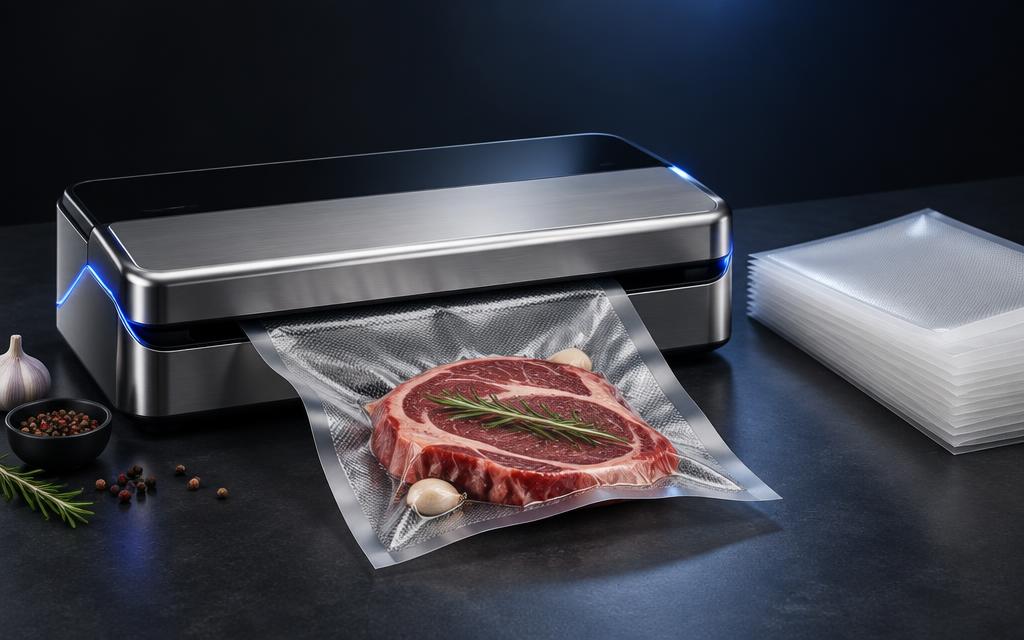
External vacuum sealers
The bag stays outside the machine and air is drawn out from the bag opening.
- Compact and more affordable
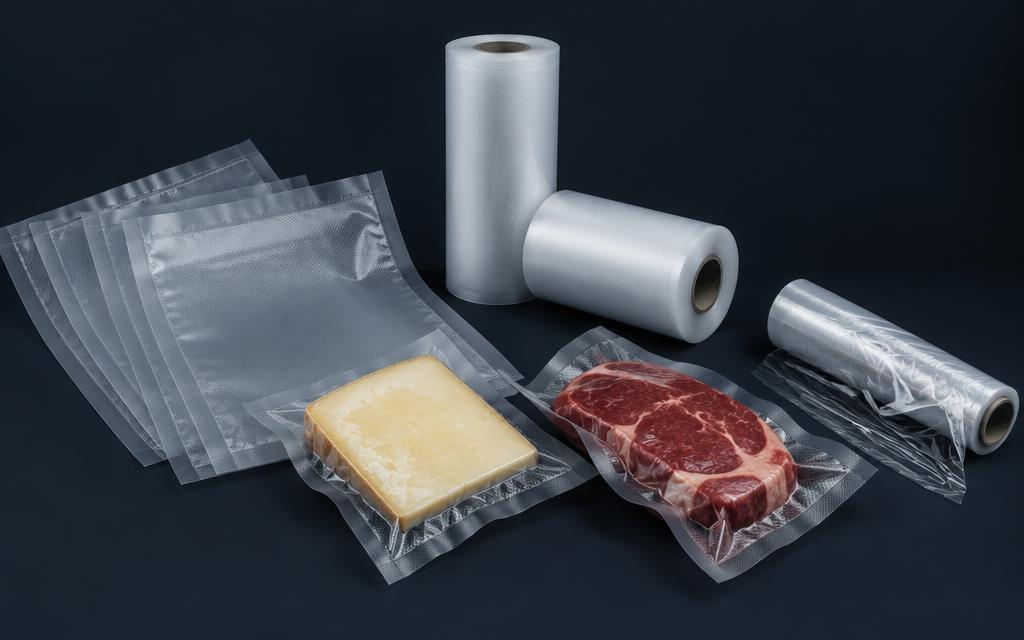
- Use textured (embossed) bags
- Suitable for smaller volumes and dry products
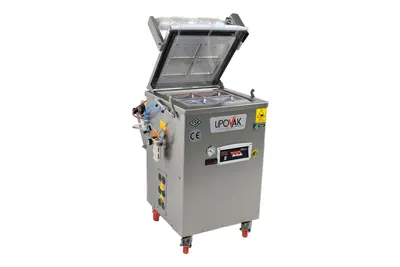
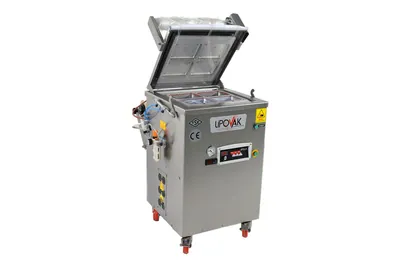
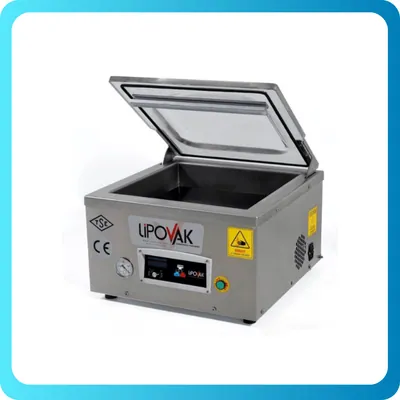
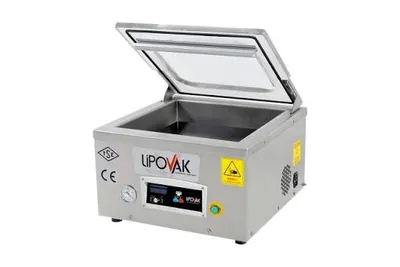
Chamber vacuum machines
The whole bag goes into a chamber from which the air is removed.
- Use smooth vacuum bags, which are cheaper
- Can vacuum liquids, soups and marinades
- Built for restaurants, butchers and production
What to consider
Before buying, answer a few questions:
- How many packs per day do you need?
- Do you pack liquid or moist products?
- What is the largest bag you use?
- How much kitchen space do you have?
Our recommendation
For occasional dry-food packing, consider an external sealer. For higher volumes and liquids, consider a suitable chamber machine. Compare capacity, bags and maintenance before deciding; contact us for advice.
Bags, dimensions and seal quality
With typical external sealers, the texture in the bag provides a path for air removal. Chamber machines generally use smooth vacuum bags. Always confirm compatibility in the instructions for the exact model.
The bag opening must fit the sealing bar, and the whole pack must fit inside a chamber machine. Leave enough clean, dry edge for sealing. Creases, grease and food residue can weaken the seal.
- Check maximum bag width and usable chamber dimensions.
- Choose food-contact bags suitable for their intended use.
- After each cycle, check that the seal is even and the bag stays sealed.
Moist food, liquids and safe storage
In an external sealer, liquid can be drawn towards the opening, affect the seal or enter the machine. Follow the instructions for moist food; do not assume every model can vacuum liquids.
A suitable chamber machine can pack liquids, but temperature, fill level and settings matter. Warm liquid can boil under reduced pressure. Cool it according to food-safety procedures and follow the machine instructions.
Vacuum sealing does not sterilise food or make perishable food safe at room temperature. Maintain the cold chain and validated shelf-life limits for your product; label packs with contents and date.
- Do not set shelf life solely from the appearance of a vacuum bag.
- For cooking in a bag, use only bags expressly suitable for the intended time and temperature.
Capacity, maintenance and total investment
Calculate how many packs you make in the busiest hour, not just per day. Total time includes filling, positioning, the cycle, checking and cleaning. Check the model’s rated workload and required pauses between cycles.
Include bags, maintenance, consumable parts and workspace in the cost. If the pump uses oil, follow its inspection and replacement schedule. A higher purchase price does not guarantee a faster return: compare it with your actual workload.
- Prepare an example of the largest product you plan to pack.
- Ask about servicing, gaskets, sealing elements and compatible bag availability.
- For a recommendation, give pack volume, food type and maximum dimensions.