Complete guide to takeaway and delivery food packaging
4 min read
When to choose paper, foam or plastic containers - practical advice for pizzerias, fast food and restaurants.
Why packaging matters
Packaging is the last thing a customer sees before tasting the food. A good box keeps the temperature, holds grease and sauces, and looks professional.
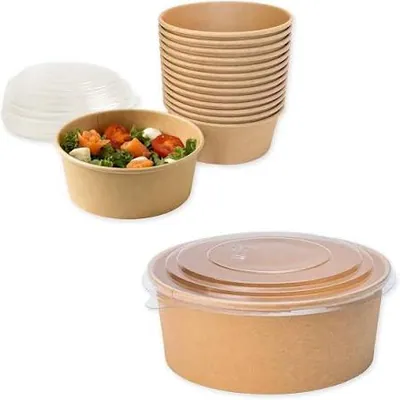
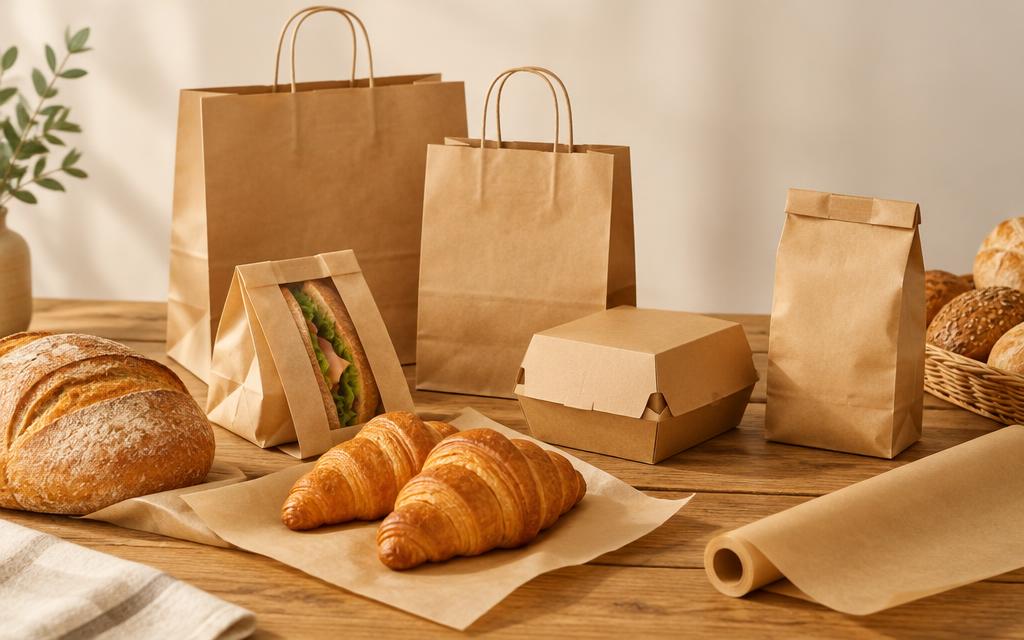
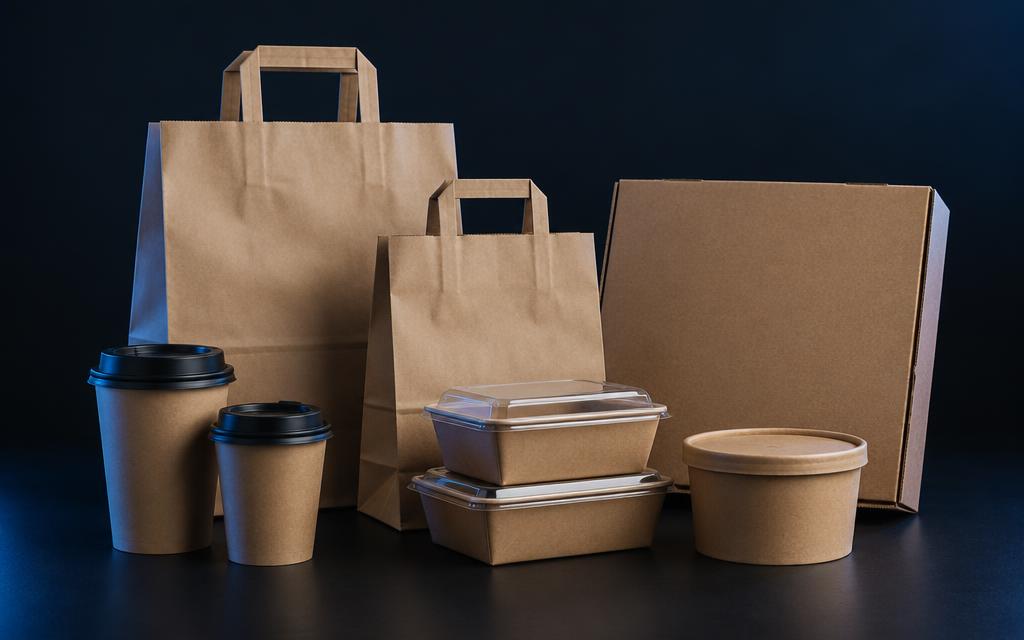
Paper packaging
Ideal for dry and semi-dry dishes and for businesses that want a natural look.
- Pizza boxes, sandwich and burger bags and wraps
- Good for fried food when grease-resistant
- Easy to print with your logo
Foam packaging
Foam can help with thermal insulation; results depend on the container, food and delivery time.
- Boxes for cooked meals, grill and sides
- Light and economical in large quantities
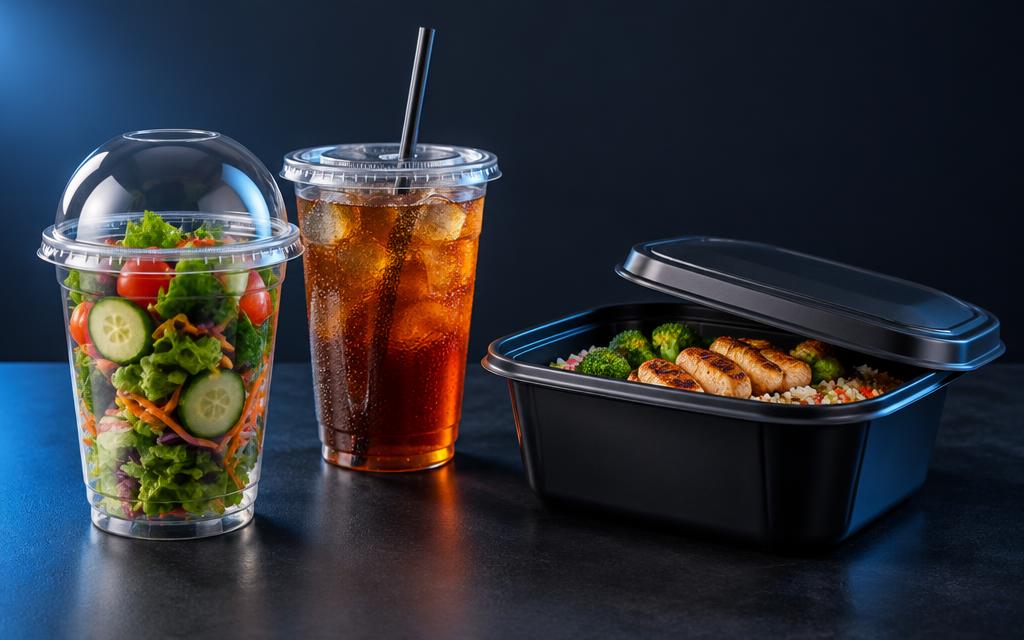
Plastic and aluminium containers
For dishes with sauces and liquids choose containers with tight-fitting lids.
- PP containers for hot meals and reheating only as permitted by the manufacturer
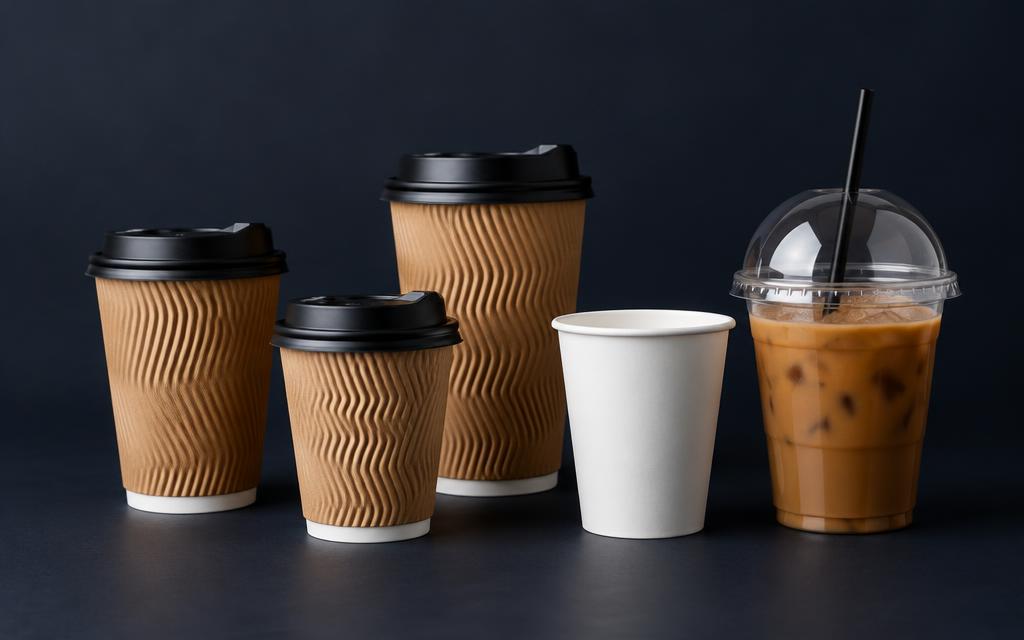
- Small cups with lids for sauces and dressings
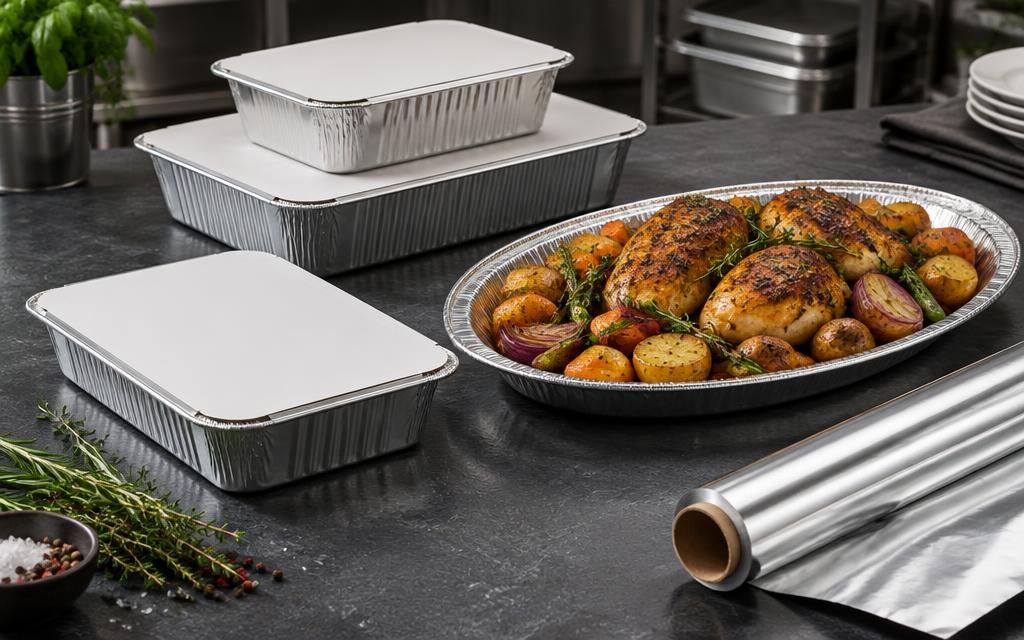
- Aluminium trays for baking and oven reheating
Quick tip
Test packaging with a real dish and real delivery time before ordering larger quantities. Contact us and we will gladly recommend options.
Choose for the dish, not just the appearance
List the dishes you deliver and group them as dry, saucy, liquid, hot or cold. One container is rarely the best choice for the whole menu. For each dish, check that the packaging is intended for food contact and the filling temperature.
Steam inside a fully closed box can soften fried food. Consider suitable ventilation without compromising protection. Pack sauces separately when they could soak the main dish.
- Pizza and burgers: check size, grease resistance and how the packaging handles steam.
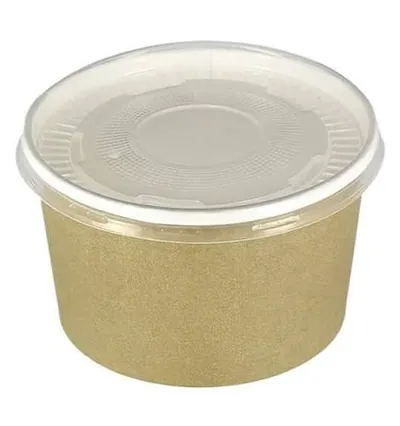
- Soups and stews: test a container and lid intended for liquids and the relevant temperature.
- Salads and desserts: protect their shape and separate dressings and delicate toppings.
Size, lid fit and cost per order
A small container compresses food and makes closing difficult; an oversized one takes up space and lets food move. Check internal dimensions and usable capacity, not just the outside measurements.
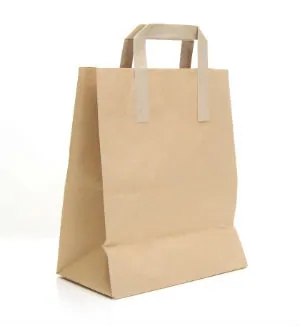
Calculate the whole set: container, matching lid, sauce cup and carrier bag. Check whether the lid is included or sold separately. A cheaper container does not mean a cheaper order if it leaks or requires repacking.
- Match the lid to the exact container model, not merely a similar diameter.
- Check that closed containers stack securely inside the delivery bag.
- Store unused packaging in a clean, dry place protected from dust.
Test before ordering in bulk
Fill the container with a normal portion and close it as you would for a real order. Transport it along a typical route, using your usual stacking method and delivery time. Then inspect both the food and the packaging.
Packaging does not replace temperature control or hygienic transport. Follow the instructions for the exact container and lid when reheating; do not put aluminium trays in a microwave unless the manufacturer explicitly permits it.
- Is there leakage, a softened box or a loose lid?
- Has the food moved, become soggy or lost its shape?
- Can the customer open the packaging easily and safely?