Vacuum bags and films: how to choose by machine and food
4 min read
Embossed or smooth bags, thickness, sizes and films - a practical guide for butchers, restaurants and small producers.
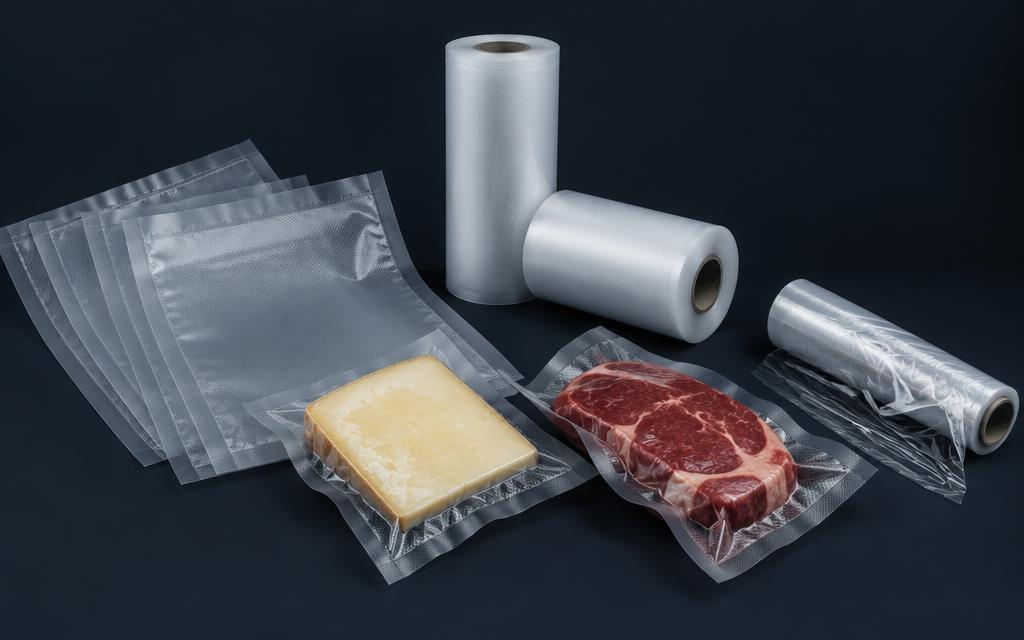
First check which machine you have
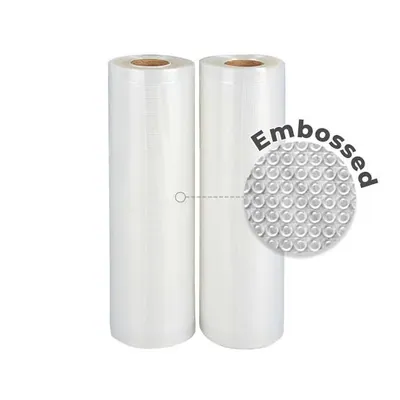
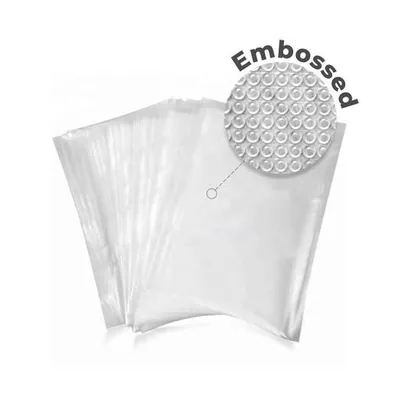
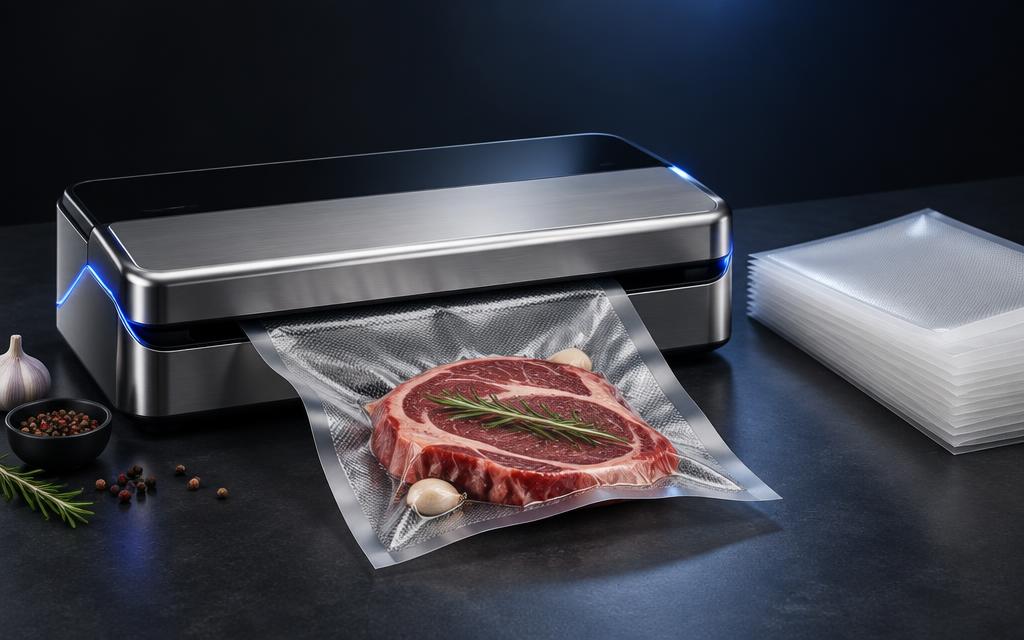
The machine type decides which bags will work. External sealers pull air through the channels in the bag, so they need embossed bags. Chamber machines remove air from the whole chamber and work with smooth bags, which are usually cheaper per piece.
A smooth bag in an external sealer gives the air nowhere to go, so the vacuum will be weak or missing.
- External sealer → embossed bags or rolls
- Chamber machine → smooth bags
- If unsure, check the machine manual
Thickness: how much is enough
A thicker bag resists punctures better and protects food longer. A thinner bag is enough for soft products that are used quickly.
Thickness is listed in the product specification. If in doubt, ask for a sample and test it with your own product.
- Soft products (cheese, cooked meat): standard thickness
- Products with bones or sharp edges: thicker bags
- Freezing and long storage: thicker bags
Bags or rolls, and which size
Ready-made bags are faster when you pack the same products every day. Rolls let you choose the length, which is handy for pieces of different sizes.
Leave a few centimetres of empty space before the seal so the machine can seal reliably. The bag opening must not be wider than the machine's sealing bar.
Films for everyday packing
Food (cling) film is for covering and wrapping food in the kitchen and display. Pallet stretch film secures shipments and is not for direct food contact unless the manufacturer says so.
Use film with a dispenser - less waste and faster cutting.
Common mistakes
Most vacuum problems come from how you pack, not from the machine.
- Wet or greasy bag edge - the seal won't hold
- Overfilled bag - no room to seal
- Warm liquid in an external sealer - it gets sucked into the machine
- Vacuuming does not sterilise food - keep it refrigerated and label it with a date