Plastic packaging: the difference between PET and PP
3 min read
Which material is for cold drinks and which for hot food and the microwave? A simple explanation for cafés and restaurants.
PET - crystal clear
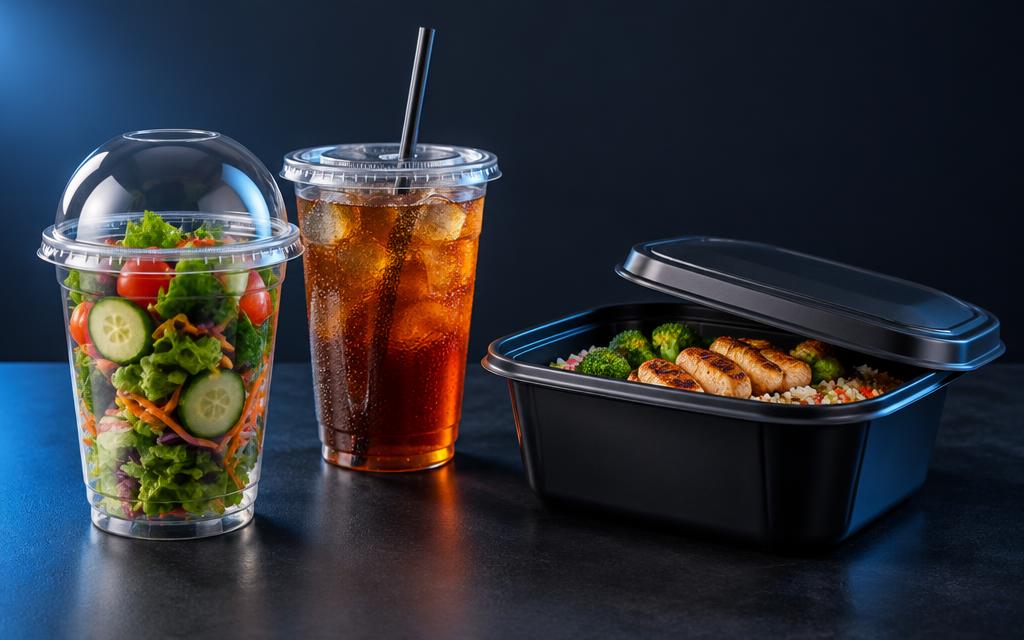
PET is a rigid, very transparent plastic that shows off the contents.
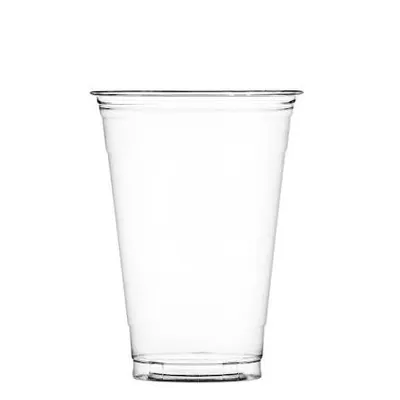
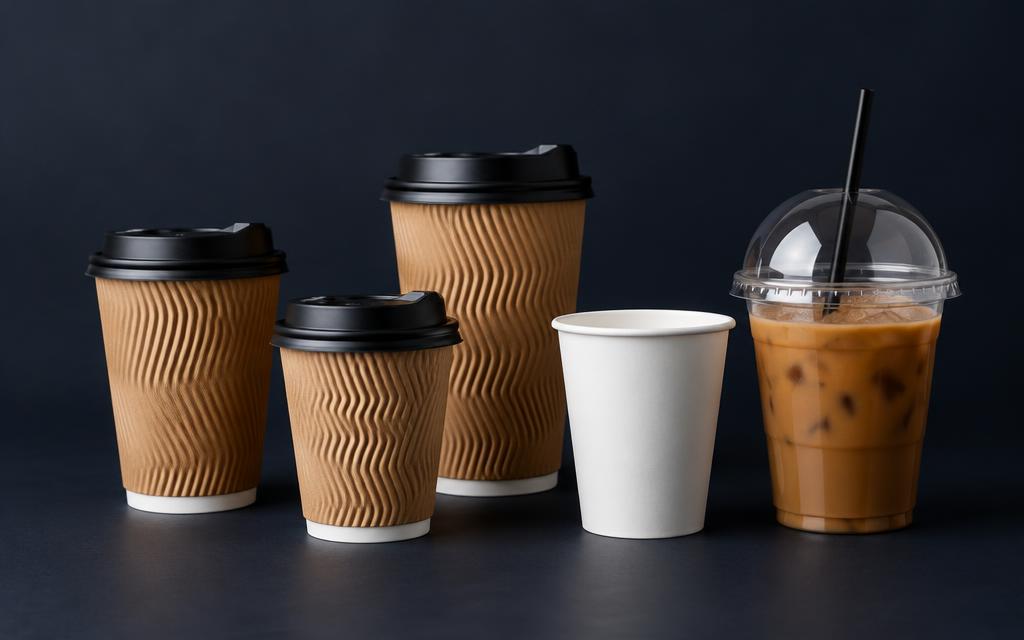
- Cups for cold drinks, juices, smoothies and iced coffee
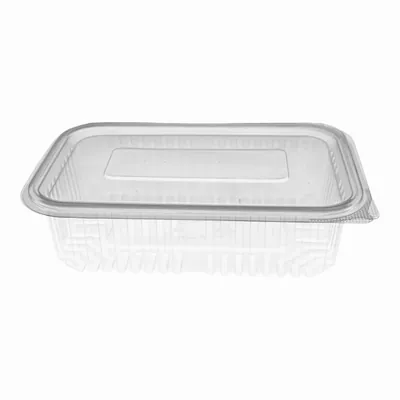
- Boxes for salads, fruit and desserts
- Not for hot food or the microwave
PP - heat resistant
PP is a slightly matte, flexible plastic that handles higher temperatures.
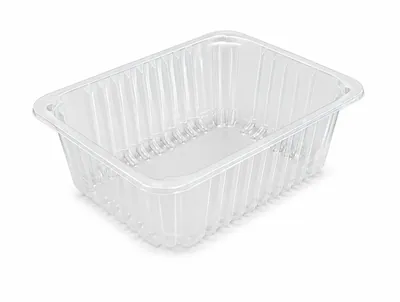
- Containers for hot meals and soups
- Microwave-safe only when explicitly approved for the specific product
- Durable, tight-fitting lids
How to choose
Consider PET for cold food and visible contents; for hot food, consider a suitably labelled PP container. Check the specific product’s intended use, not just its material.
A material code is not permission to reheat
Code 1 identifies PET and code 5 identifies PP. These codes describe the material; they do not by themselves confirm microwave, oven or repeated-use suitability. Conditions depend on the specific product.
For hot food, check the allowed temperature and manufacturer instructions. Without explicit microwave approval, do not assume a container is suitable simply because it is PP. The lid can have different restrictions from the container.
- Check the container and lid markings separately.
- Do not microwave ordinary PET packaging intended for cold food.
- Do not reuse single-use packaging unless the manufacturer permits it.
Examples for cafés and restaurants
For a smoothie or iced coffee, a clear PET cup can showcase the drink. Choose capacity with the ice included and check that the lid matches the cup.
For a hot cooked meal, consider a PP container expressly intended for that temperature. With soups and saucy dishes, secure closure and leakage testing matter most. For a cold dessert, consider height, shape and transport stability.
- Cold drinks: allow room for ice and choose the right lid style.
- Hot meals: check temperature limits and reheating instructions.
- Desserts: leave space above decorations so the lid does not press them down.
Recycling and common mistakes
A material code does not guarantee that local collections accept the packaging for recycling. Check local rules and remove food residue as instructed. A container and lid made from different materials may need separating.
Before a bulk order, test a sample with your food. Do not choose solely by transparency or assume two containers of the same capacity use the same lid. For advice, explain what you pack, its temperature and whether customers will reheat it.
- Do not confuse material identification with approval for heating.
- Do not fill cold-food containers with boiling contents.
- Do not promise recyclability without checking the local collection system.